On this page
The short answer
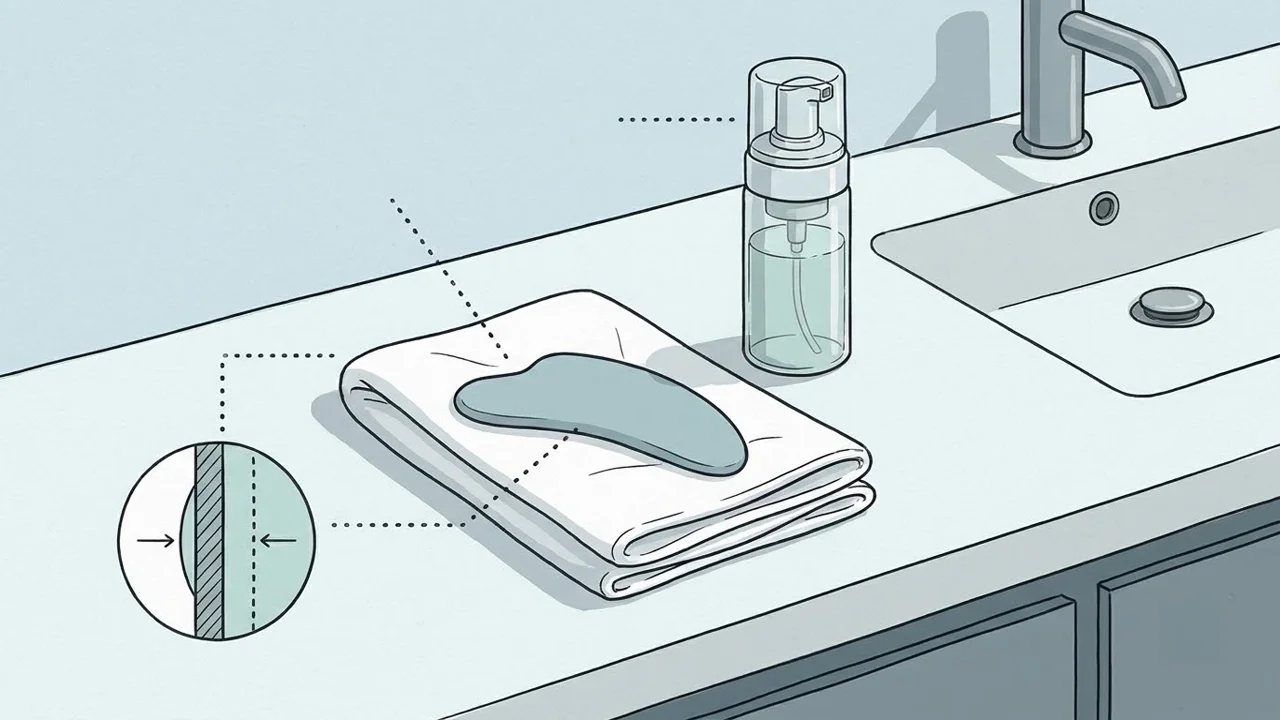
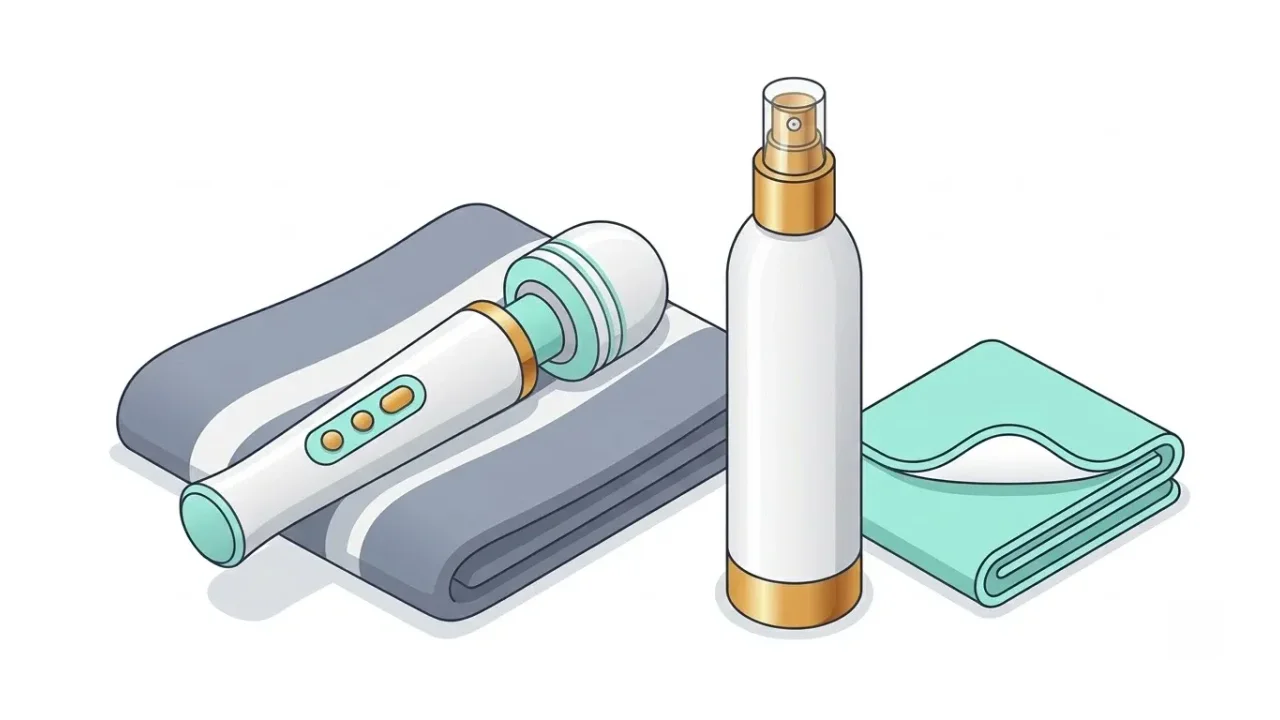
Sex toy hygiene is essential because bodily fluids and lubricating residues form invisible bacterial biofilms on device surfaces within hours. These resilient colonies disrupt natural vaginal and anal microflora, triggering recurrent bacterial vaginosis (BV), yeast infections (Candida), and urinary tract infections (UTIs). Proper hygiene requires immediate post-use washing with dedicated antimicrobial cleanser, complete vertical air-drying, and storage in breathable fabric pouches away from damp bathrooms.
How should I clean my toy?
Choose the material and water rating to see the steps that apply to your toy.
SiliconeNon-porous
- Wash with warm water and a mild, unscented soap or a toy cleaner.
- Rinse well so no soap or lube is left on the surface.
Some makers say solid silicone toys with no motor can be boiled. Only do this if your toy’s instructions say so.
Hard plastic (ABS)Non-porous
- Wash with warm water and a mild, unscented soap or a toy cleaner.
- Pay attention to seams and buttons, where lube can collect.
GlassNon-porous
- Wash with warm water and soap.
- Avoid sudden changes in temperature, which can crack glass.
Some glass toys are dishwasher-safe. Check the maker’s instructions first.
Stainless steelNon-porous
- Wash with warm water and soap.
- Dry fully so no water sits in engraved or textured areas.
TPE, TPR, jelly or “realistic skin”Porous
- Wash with warm water and a mild, unscented soap, inside and out.
- Rinse well, then let it dry completely before storing it.
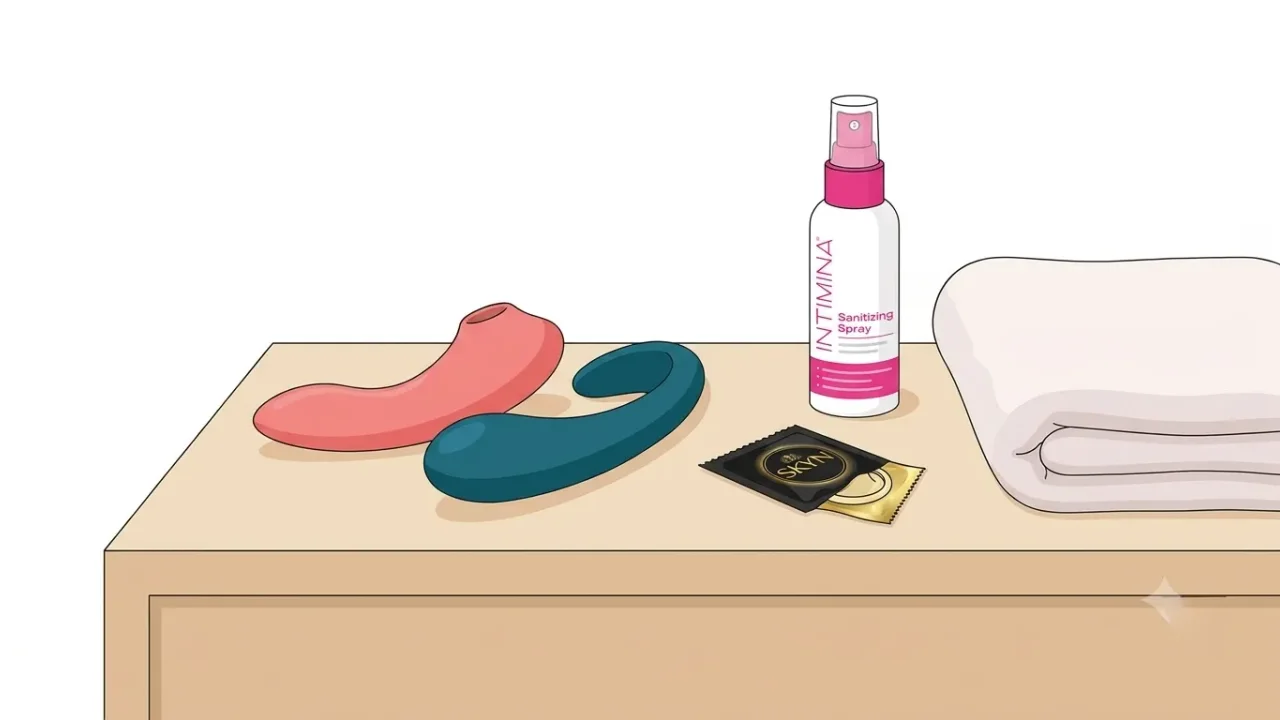
- Use a condom over it if anyone else will use it, and change the condom between people.
These materials are porous, so they can hold bacteria even after cleaning. Keep porous toys for one person.
Not surePorous
- Treat it as porous: wash gently with warm water and mild, unscented soap, rinse and dry completely.
- Use a condom over it if it’s shared.
- Check the packaging or the maker’s website for the material.
Waterproof (IPX7 or IPX8)
You can wash it under running water. Make sure any charging port cover is closed first.
Splash-resistant, or not sure
Don’t put it under the tap or in water. Wipe it with a cloth dampened with soapy water, then with a clean damp cloth. Keep water away from charging points and battery compartments.
Not electric (no motor or battery)
You can rinse it freely under running water.
Every toy, every time
- Clean it before and after use.
- Dry it with a paper towel rather than a cloth, which can leave fibres behind.
- Store it dry, in its own pouch, away from other toys.
Based on guidance from Brook, SH:24, Essex Sexual Health Service and Brown University BWell. Always follow your toy’s own instructions.
Most people wash their sex toys because dried lubricant feels sticky and unsightly. However, the true medical justification for rigorous sex toy hygiene has little to do with aesthetics and everything to do with microscopic ecology.
Every time an intimate device enters the body or touches mucous membranes, it interacts with complex microbial ecosystems. If a toy is neglected on a bedside table, wiped haphazardly with a tissue, or tossed damp into a closed drawer, microscopic colonies transform into resilient bacterial biofilms.
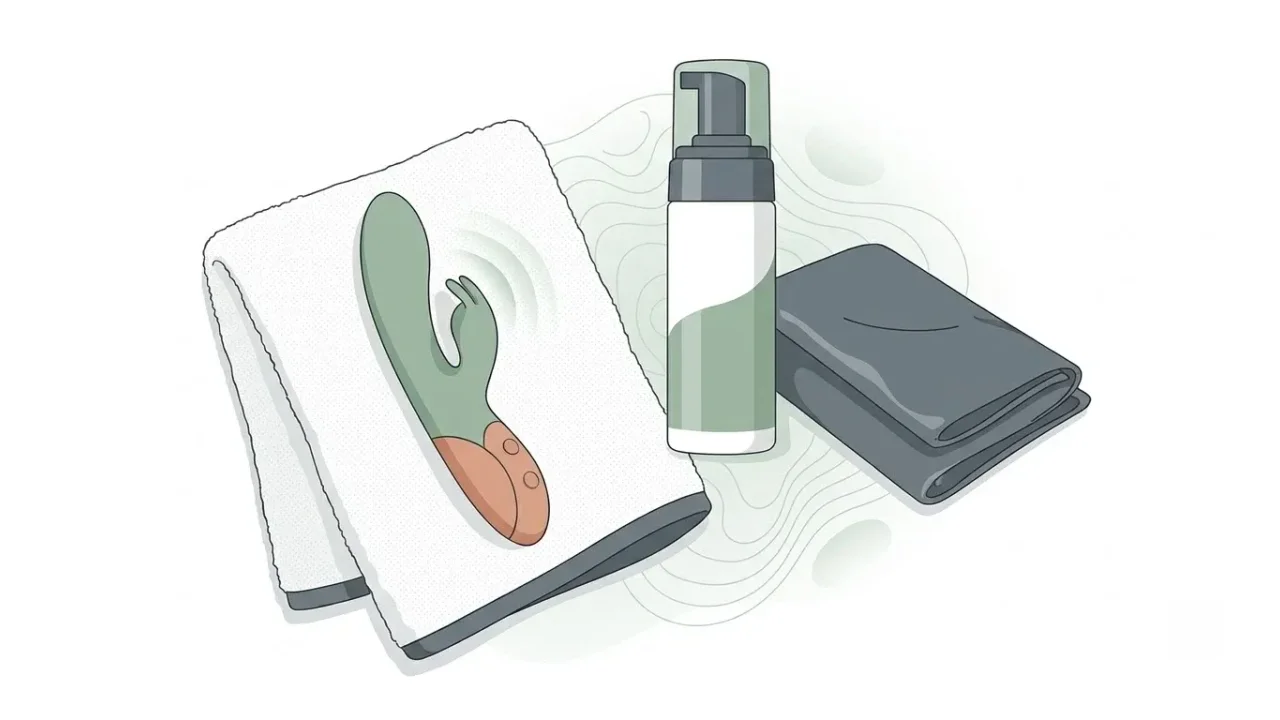
Understanding the biological mechanics of biofilms, how poor hygiene disrupts natural microflora, and how to implement clinical sanitizing routines protects your body from recurrent infections while extending the lifespan of your investments.
The Invisible Colony: How Bacterial Biofilms Form
When bacteria encounter a synthetic surface—whether medical silicone, ABS plastic, or borosilicate glass—they do not simply sit as isolated cells. Within minutes of contact with moisture, proteins, and dead epithelial cells, microorganisms initiate a coordinated survival process known as biofilm formation.
The 3 Stages of Biofilm Proliferation
- Initial Adhesion (0 to 2 Hours): Free-floating bacteria (planktonic cells) from vaginal fluids, semen, or rectal mucus adhere to the micro-textures of the toy surface.
- Matrix Secretion (2 to 12 Hours): The bacteria anchor themselves permanently and secrete an extracellular polymeric substance (EPS)—a slimy, microscopic matrix composed of polysaccharides, proteins, and extracellular DNA.
- Maturation and Shielding (12+ Hours): The EPS matrix hardens into a protective microscopic shell. Bacteria inside this shell enter a state of high chemical resistance. They exchange genetic material, share antibiotic resistance traits, and become up to 1,000 times more resistant to antimicrobial agents than free-floating bacteria.
This biological shield explains why a quick rinse under lukewarm water achieves virtually nothing: running water slides right over the hydrophobic EPS matrix, leaving millions of active pathogens firmly anchored to the device.
Clinical Consequences: How Neglected Toys Harm Your Body
Re-inserting a toy harboring a mature biofilm introduces billions of opportunistic pathogens directly against vulnerable epithelial tissues.
1. Vaginal Microflora Disruption & Recurrent BV
The healthy vaginal canal is dominated by beneficial Lactobacillus species (L. crispatus, L. jensenii), which produce lactic acid to maintain a protective acidic pH between 3.8 and 4.5.
Introducing an unwashed toy contaminated with Gardnerella vaginalis, Prevotella, or Atopobium vaginae disrupts this acidic defense. The pathogenic bacteria outcompete lactobacilli, causing vaginal pH to spike above 4.5 and triggering Bacterial Vaginosis (BV)—characterized by watery grey discharge, burning, and a distinctive fishy odor.
2. Recurrent Yeast Infections (Candidiasis)
Candida albicans is a fungal organism that thrives in warm, humid, sugary environments. If lubricant residues containing glycerin or sugars remain on a toy in a dark drawer, fungal spores multiply aggressively. Reintroducing the contaminated toy causes acute candidiasis: intense vulvar itching, erythema, and thick white curd-like discharge.
3. Urinary Tract Infections (UTIs)
The female urethra is anatomically short (approximately 4 cm) and situated millimeters from the vaginal opening and perineum. A vibrator contaminated with Escherichia coli (E. coli) or Enterococcus easily deposits bacteria near the urethral meatus, where they ascend into the bladder and cause cystitis.
Cleaning vs Sanitizing vs Sterilizing: The Hygiene Matrix
Hygiene exists on a spectrum. Understanding the technical definitions ensures you apply the correct protocol for your specific device:
| Level of Hygiene | Target Organisms | Standard Method | Applicable Materials | Clinical Application |
|---|---|---|---|---|
| Cleaning | Removes visible dirt, organic fluids, and lubricants | Warm water + mild surfactant soap | All materials (waterproof only) | First step after every solo session |
| Sanitizing | Reduces microbial load by 99.9% | Antimicrobial spray (Benzalkonium Chloride) | Silicone, ABS plastic, glass, metal | Mandatory after every use; essential for non-waterproof casings |
| Disinfection | Eliminates pathogenic bacteria, fungi, and most viruses | Alcohol wipes (70% IPA) — non-silicone only | Borosilicate glass, medical stainless steel | High-level care for rigid manual non-porous toys |
| Sterilization | Destroys 100% of microbial life, including bacterial spores | Immersion in boiling water (100°C) for 3 to 5 minutes | 100% solid manual silicone, glass, stainless steel | Multi-partner prep; clinical safety reset (never on electronics) |
The Five Commandments of Evidence-Based Device Care
Follow these five clinical rules to protect your sexual health and preserve your intimate devices:
1. The 15-Minute Rule: Wash Immediately
Never leave a used sex toy sitting on a nightstand, bathroom vanity, or bedsheet overnight. Biofilms begin forming immediately upon contact with air. Washing your toy within 15 minutes of use ensures that fluids and lubricants are completely dissolved before bacterial matrix secretion takes place.
2. Select Surfactant Cleansers Engineered for Intimacy
Avoid household dish soaps, antibacterial hand soaps with heavy triclosan, and scented body washes. These products leave behind synthetic chemical residues that cause contact dermatitis and chemical vaginitis. Use a dedicated intimate toy wash containing benzalkonium chloride or cocamidopropyl betaine—surfactants that dissolve lipids without degrading body-safe silicone.
3. Complete Vertical Air-Drying
Never dry a toy with a bathroom hand towel that has been hanging near a shower; bathroom towels harbor high concentrations of airborne mold spores and staphylococci.
- Buff the device dry using a clean single-use paper towel or fresh microfiber cloth.
- Stand the device upright on a dry surface in a room with active airflow for at least 30 minutes to allow all seam moisture to evaporate.
4. Ditch Airtight Plastic Bags for Breathable Fabric
Storing an intimate device inside a sealed plastic Ziploc bag or airtight Tupperware container is a catastrophic hygiene mistake. Any microscopic residual humidity inside the container creates a greenhouse incubator for mold, mildew, and anaerobic bacteria. Always store toys in individual, breathable natural cotton or satin drawstring pouches that allow ambient moisture to escape.
5. Prevent Chemical Cross-Contamination
If two silicone toys are stored in direct contact with one another inside a drawer, plasticizer migration will cause the polymers to chemically react, melt together, and become sticky and pitted. Pitted silicone cannot be sanitized. Store each toy in its own dedicated pouch.
Recommended Hygiene Essentials
To maintain clinical standards at home, consider these verified accessories:
- Antibacterial Intimate Foaming Cleanser ($14 to $18 / £12 to £15): Formulated with benzalkonium chloride to eradicate biofilms on silicone, ABS, and metal surfaces without toxic residue.
- Lint-Free Microfiber Drying Cloths ($10 to $14 / £8 to £12): Ultra-soft, highly absorbent towels that buff surfaces dry without shedding fibers or scratching high-gloss finishes.
- Breathable Cotton Storage Pouches ($8 to $12 / £6 to £10): Individual drawstring fabric pouches that shield toys from household dust while permitting natural air circulation.
- Sex Toy Material Allergies and Irritation: What to Know — Identifying chemical plasticizers, nickel contact, and dermatological patch testing protocols.
Explore Related Guides and Clinical Breakdowns
- How to Clean and Store Silicone Sex Toys Safely — Comprehensive boiling parameters, soap chemistry, and hygiene routines.
- How to Clean Non-Waterproof Sex Toys Without Damage — Complete care protocols for corded wands, motorized strokers, and splash-proof handles.
- Can Sharing Sex Toys Transmit STIs? — Clinical transmission vectors, barrier condom protocols, and partner safety rules.
- Waterproof vs Water-Resistant Sex Toys Explained — Ingress protection ratings, submersion limits, and bath hygiene rules.
Quick check
Why does rinsing a sex toy with plain warm water fail to remove bacterial biofilms?
Bacteria construct a protective extracellular polymeric matrix (EPS) that adheres to surfaces and repels plain water, requiring surfactant cleansers to break apart
Correct! Biofilms produce an extracellular polymeric substance (EPS) that acts like a microscopic glue. Plain water washes away surface debris, but active surfactant soaps are required to dissolve the matrix and kill the underlying bacteria.
Warm water causes bacteria to rapidly multiply within five seconds of contact
Incorrect. The issue is structural adhesion: without a surfactant or antimicrobial agent, the sticky biofilm matrix remains bonded to the toy's surface.