On this page
The short answer
Post-intimate burning or itching generally stems from one of two distinct biological reactions: irritant contact dermatitis or allergic contact dermatitis. Irritant dermatitis occurs immediately from chemical additives (like propylene glycol or synthetic fragrance), unbuffered friction, or toxic plasticizers leaching from cheap jelly rubber. Allergic contact dermatitis is a delayed immune reaction—most commonly to natural rubber latex, vulcanizing chemicals, or nickel-plated charging contacts—that emerges 24 to 72 hours post-exposure. Switching to non-porous platinum-cured silicone, borosilicate glass, or surgical steel, combined with a 24-hour forearm patch test, reliably prevents adverse skin reactions.
Experiencing itching, redness, swelling, or burning sensations during or after using a sex toy can be alarming. Many people immediately assume they have contracted an infection or developed a permanent intolerance to intimate devices. In clinical dermatology, however, post-intimacy tissue distress almost always traces back to one of two distinct physical mechanisms: irritant contact dermatitis or a true allergic hypersensitivity.
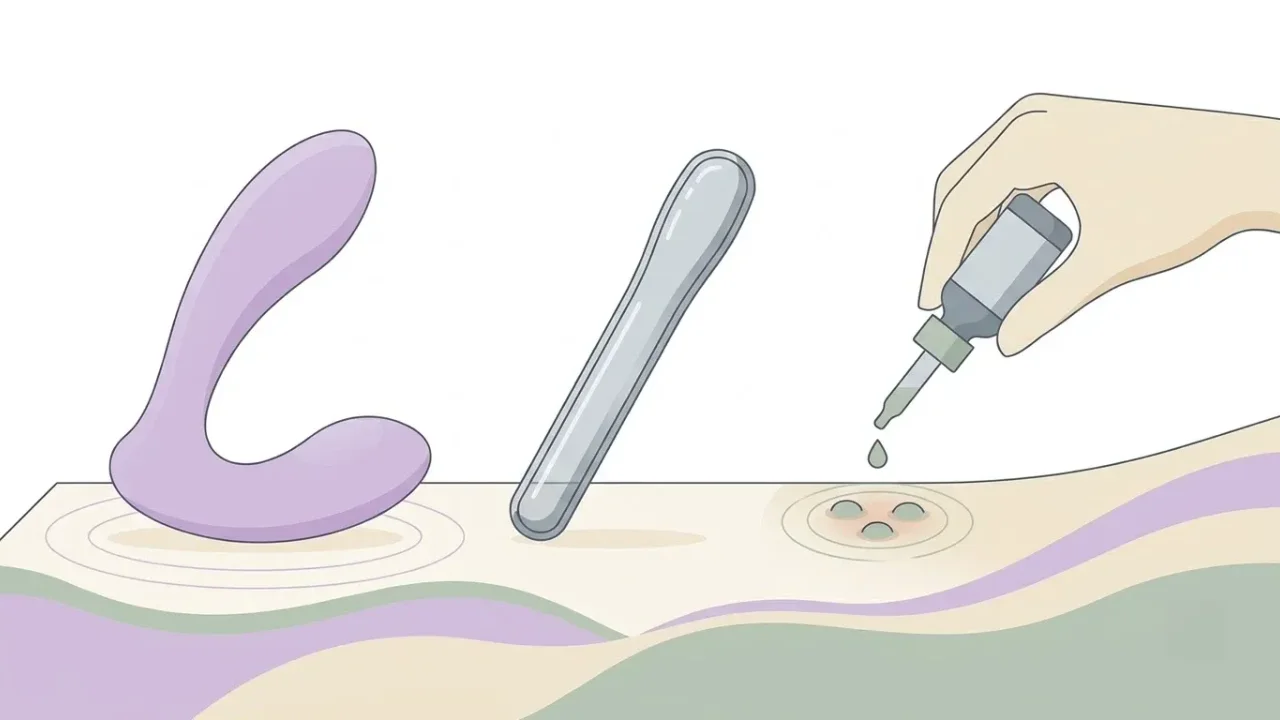
Genital and mucosal tissues possess a much thinner stratum corneum and higher vascular permeability than external skin on your arms or legs. Compounds that produce zero irritation on your fingers can cause sharp stinging, inflammation, or contact dermatitis when introduced to the vulva, vagina, or anal canal.
Understanding the biological differences between irritation and allergy, identifying hazardous materials, and adopting simple pre-use patch testing protocols ensures your intimacy remains safe, comfortable, and pain-free.
Allergy vs Irritation: Understanding the Biological Difference
To resolve discomfort effectively, you must understand whether your immune system is reacting to a specific allergen or whether delicate mucosal cells are suffering direct physical or chemical damage.
1. Irritant Contact Dermatitis (ICD)
Irritant contact dermatitis accounts for roughly 80% of all adverse intimate product reactions. It is a non-immunological physical response that occurs when a substance directly damages the protective epithelial barrier:
- Onset: Immediate to several hours after contact. You will often feel stinging, burning, or raw sensations while the toy is still in use or shortly after removing it.
- Localization: Strictly confined to the exact area touched by the irritant (e.g., localized to the vaginal opening or clitoral hood).
- Common Causes: High-osmolality lubricants, harsh antibacterial toy cleansers containing alcohol or fragrance, chemical plasticizers leaching from low-grade rubber, or simple mechanical friction from insufficient lubrication.
2. Allergic Contact Dermatitis (ACD)
Allergic contact dermatitis is an immunological reaction known as a Type IV delayed hypersensitivity. It occurs when your body’s T-cells recognize a specific chemical molecule as a foreign threat after previous sensitization:
- Onset: Delayed. Symptoms rarely appear immediately; they typically manifest 24 to 72 hours after exposure.
- Presentation: Intense pruritus (deep itching), widespread erythema (redness), localized edema (swelling), and sometimes tiny fluid-filled vesicles or hives.
- Localization: Can spread beyond the immediate point of contact to surrounding genital, perineal, or inner thigh skin.
- Common Causes: Natural rubber latex, vulcanization chemical accelerators (thiurams and carbamates), nickel plating on exposed charging ports, or specific preservative agents like methylisothiazolinone.
3. Mechanical Micro-Trauma
Often mistaken for an allergy, micro-fissuring occurs when high motor vibration, rigid seams, or inadequate lubrication creates microscopic tears in epithelial tissue. Micro-tears produce acute burning when exposed to urine, shower water, or subsequent touch, but they carry no immunological origin.
Diagnostic Comparison: Differentiating Symptoms
The following diagnostic matrix helps you categorize symptoms and determine the underlying source of discomfort:
| Symptom Feature | Allergic Contact Dermatitis (ACD) | Irritant Contact Dermatitis (ICD) | Mechanical Micro-Trauma |
|---|---|---|---|
| Typical Onset Time | 24 to 72 hours post-use | Immediate to 2 hours post-use | Immediate during or right after use |
| Primary Sensation | Intense, maddening deep itch | Acute stinging, burning, soreness | Sharp stinging upon urination or wiping |
| Tissue Appearance | Swollen, raised rash, potential hives | Diffuse redness, dry parchment texture | Pinpoint redness, superficial micro-fissures |
| Reaction Boundary | May spread beyond toy contact area | Strictly limited to contact boundary | Strictly along friction contact path |
| Duration Without Treatment | 1 to 3 weeks until T-cells settle | 2 to 5 days once irritant is removed | 24 to 48 hours with rest and hydration |
| Root Causative Factor | Latex, nickel, vulcanizers, fragrance | Leaching plasticizers, high osmolality | Insufficient lube, aggressive motor speed |
Primary Culprits: What Triggers Adverse Reactions?
When an adverse reaction occurs, the culprit is usually one of four specific categories: toxic plasticizers, natural rubber proteins, metallic hardware, or hygiene chemical residues.
1. Phthalate Plasticizers & Jelly Rubber
The single most hazardous category in the adult novelty market is jelly rubber, often marketed under generic labels like “soft rubber,” “vinyl,” or cheap “PVC.” Uncured polyvinyl chloride is naturally rigid. To make it pliable enough for dildos and sleeves, manufacturers blend in high concentrations of chemical plasticizers, primarily phthalates (such as DEHP, DBP, or DINP).
Phthalates are not chemically bound to the polymer chain. Over time, and accelerated by body heat, they continuously leach out onto skin and mucous membranes. Phthalates act as potent chemical irritants and known endocrine disruptors. They produce a characteristic strong chemical odor, leave an oily residue on fingers, and rapidly cause irritant dermatitis.
2. Natural Rubber Latex & Chemical Accelerators
Natural rubber latex contains plant proteins derived from the Hevea brasiliensis tree that trigger classic IgE-mediated or cell-mediated allergic responses. People with latex allergies frequently experience cross-reactivity with foods containing similar protein structures (latex-fruit syndrome, including bananas, avocados, kiwis, and chestnuts).
Furthermore, synthetic rubber or low-grade elastomers often employ chemical accelerators during vulcanization, such as mercaptobenzothiazole (MBT), thiurams, and dithiocarbamates. These accelerators are notorious contact allergens identified in standard dermatological patch tests.
3. Nickel and Metal Alloys
Many rechargeable intimate devices feature exposed metallic charging plates, magnetic pin contacts, or chrome-plated decorative collars. Nickel is the leading contact allergen in the world, affecting up to 15% to 20% of the population.
If a device features cheap electroplated nickel that corrodes from perspiration, vaginal fluids, or cleaning water, contact with mucosal tissue can provoke sudden localized swelling and persistent dermatitis. High-end manufacturers prevent this by utilizing surgical-grade 316 stainless steel, gold-plated contacts, or recessed hermetic silicone seals.
4. Lubricant Osmolality and Preservatives
Adverse reactions blamed on toys are frequently caused by the accompanying lubricant. The World Health Organization (WHO) recommends personal lubricants maintain an osmolality below 1,200 mOsm/kg (ideally around 380 mOsm/kg) and a physiological pH matching vaginal microflora (3.8 to 4.5).
Many commercial lubricants contain excessive concentrations of propylene glycol and glycerin, driving osmolality above 3,000 mOsm/kg. Hyperosmolar fluids literally suck water out of mucosal epithelial cells via osmosis, causing cells to collapse and slough off. This cellular disruption produces an intense burning sensation that mimics a severe material allergy.
How to Perform an At-Home Patch Test
Before using any new intimate device, topical lubricant, or cleaning solution on sensitive genital tissue, perform a standardized dermatological patch test on external skin:
- Select the Test Site: Use the volar aspect of your forearm (the smooth inner side of your lower arm) or the inner thigh. These areas possess thin, sensitive skin that reacts reliably to contact allergens.
- Apply the Sample:
- For Lubricants & Cleansers: Place a dime-sized drop onto the skin and cover it with a plain hypoallergenic adhesive bandage.
- For Devices: Rest the sanitized silicone or elastomer surface firmly against the inner forearm for 15 to 30 minutes, or gently secure a clean silicone component against the skin under a bandage for 2 to 3 hours.
- Monitor the 24-Hour Window (Irritation Check): Remove the bandage and observe the skin. If immediate erythema, stinging, or heat develops, you are experiencing irritant dermatitis. Do not apply the product to mucosal tissue.
- Monitor the 48-to-72-Hour Window (Allergy Check): Leave the test site unwashed with soap for the next two days. If delayed redness, swelling, or an itchy rash emerges between 24 and 72 hours later, you have an allergic sensitivity to a material component or preservative.
Material Safety Hierarchy: Safe vs Hazardous
Choosing certified, non-porous materials completely eliminates chemical plasticizer exposure and dramatically lowers allergic risks:
1. Gold Standard: Medical-Grade Platinum-Cured Silicone
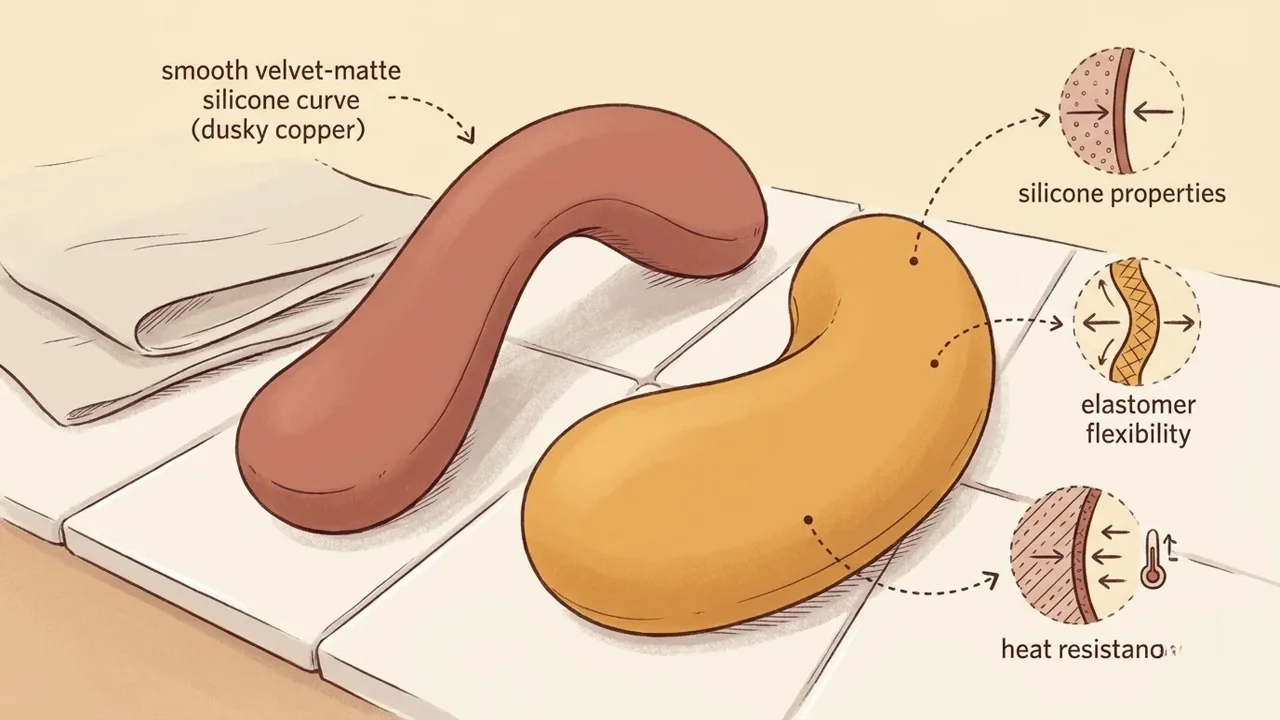
High-end manufacturers use 100% platinum-cured medical-grade silicone complying with ISO 10993 biocompatibility guidelines. Platinum-cured silicone contains zero plasticizers, zero latex proteins, and no volatile organic compounds. It is chemically inert and hypoallergenic.
- The Pinch Test: To test whether a product contains true silicone or a cheap filler blend, twist and pinch the material firmly. Pure medical silicone retains its solid color. If the pinched fold turns chalky white, the material contains cheap petroleum or mineral fillers that can leach out during use.
2. Inert Minerals: Borosilicate Glass & Surgical Stainless Steel
For individuals with multiple chemical sensitivities or severe dermatological allergies, borosilicate glass and surgical 316 stainless steel are the safest materials in existence.
- 100% Non-Porous: These surfaces contain zero microscopic pores where bacteria, cleansers, or allergens can lodge.
- Chemical Immunity: Glass and steel can be boiled in water for complete medical sterilization and are 100% compatible with every type of lubricant, including water, silicone, and oil-based formulas.
3. Porous Elastomers: Thermoplastic Elastomers (TPE/TPR)
As detailed in our silicone vs TPE comparison, thermoplastic elastomers provide a lifelike, velvety texture widely used in male masturbators and budget toys. While quality TPE is body-safe, its microscopic molecular structure is porous.
TPE traps microscopic moisture, body secretions, and detergent residues inside its pores. If not thoroughly sanitized and dried, trapped chemical residues or bacterial biofilms can provoke recurrent contact dermatitis (see why sex toy hygiene matters).
Cleaning Residue: The Hidden Irritant
Many suspected material allergies are actually caused by the soap used to wash the toy. Standard household bar soaps, dishwashing detergents, and scented body washes contain sodium lauryl sulfate (SLS), synthetic dyes, and artificial fragrances.
When you wash an intimate device with household soap, surfactants leave a microscopic chemical film across the toy’s surface. When the device is subsequently inserted, internal warmth and vaginal fluids dissolve this surfactant residue directly into mucosal membranes, causing immediate burning and stinging.
- The Remedy: Wash toys exclusively with unscented, antimicrobial toy cleaner formulated specifically for intimate devices, or warm water paired with fragrance-free, glycerin-free mild soap. Always rinse thoroughly with running water for at least 30 seconds to remove all surfactant traces (see how to clean silicone sex toys and how to clean non-waterproof sex toys).
Immediate Triage: What to Do if You Experience a Reaction
If you experience sudden burning, itching, or swelling during or after intimate play, follow this clinical triage sequence:
- Stop Immediately: Remove the device at the first sign of stinging or discomfort. Continuing through pain exacerbates epithelial micro-trauma.
- Flush with Lukewarm Plain Water: Thoroughly rinse the external vulva, penis, or perianal area with copious plain lukewarm water. Do not use soap, feminine washes, bubble bath, or vinegar. Plain water dilutes and rinses away residual chemicals without stripping remaining lipids.
- Never Douche Internally: If the reaction occurred inside the vaginal canal, do not attempt to wash or douche internally. Vaginal mucosa is self-cleaning, and douching will force chemical irritants deeper toward the cervix and disrupt protective Lactobacillus flora.
- Apply a Cold Compress: Wrap clean ice cubes or an ice pack in a soft cotton washcloth and apply to external tissues for 10-minute intervals to reduce swelling, histamine release, and nerve firing.
- Wear Loose, Breathable Cotton: Avoid tight synthetic underwear, leggings, or jeans. Friction and moisture trap heat, significantly worsening dermatitis.
- Apply Plain Barrier Protection: A thin layer of pure medical-grade petroleum jelly (Vaseline) or 100% pure coconut oil (external vulva only) forms an inert barrier that shields irritated skin from acidic urine.
When to Seek Medical Attention
Most mild irritant episodes resolve within 48 to 72 hours once the offending toy or lubricant is removed. However, you should consult a gynecologist, urologist, or sexual health physician if you develop any of the following warning signs:
- Severe, unmanageable pain or extensive genital swelling that impairs urination.
- Open sores, ulcerations, blistering, or bleeding lesions on mucosal tissue.
- Abnormal vaginal or penile discharge (thick cottage-cheese texture, yellow/green coloration, or a strong fishy odor suggesting bacterial vaginosis or yeast overgrowth triggered by epithelial disruption).
- Systemic allergic symptoms, such as generalized hives, facial swelling, or breathing difficulty (call emergency services immediately).
- Symptoms that persist for more than 5 to 7 days without noticeable improvement.
A dermatologist can perform a standardized epicutaneous patch test to identify the precise chemical hapten (whether nickel, a specific vulcanization accelerator, or a fragrance component) responsible for your sensitivity.
- What Causes Discomfort When Using Sex Toys? — Clinical troubleshooting guide to pelvic floor tension, sizing mismatches, and knowing when to stop.
Explore Related Material and Hygiene Resources
- Silicone vs TPE Sex Toys: What’s the Difference? — Full breakdown of material porosity, chemical stability, and longevity.
- Can You Use Silicone Lube With Silicone Toys? — How chemical cross-reactions degrade toy surfaces into sticky irritants.
- Why Sex Toy Hygiene Matters: Biofilms & Infection Prevention — Understanding bacterial colonization, micro-fissures, and sanitization protocols.
- Waterproof vs Water-Resistant Sex Toys Explained — Complete guide to IPX ratings, hermetic seals, and water immersion safety.
- How to Clean Silicone Sex Toys Without Damage — Step-by-step cleaning, boiling, and sanitization instructions.
Quick check
How can you tell the difference between a true material allergy and chemical irritation after using an intimate toy?
Allergies trigger an immune response that often peaks 24 to 72 hours later with itching and swelling, while chemical irritation causes immediate burning localized to contact tissue
Correct! Allergic contact dermatitis is a delayed Type IV hypersensitivity reaction that takes 24 to 72 hours to develop. Irritant contact dermatitis causes immediate burning or stinging from direct tissue disruption.
True allergies only occur from glass or surgical steel, while silicone always causes safe temporary tingling
Incorrect. Medical glass and surgical steel are chemically inert and hypoallergenic. Allergies commonly stem from natural rubber latex, vulcanizing accelerators, or nickel plating.