
On this page
The short answer
A clinic asks about your symptoms and sexual contact, then suggests tests for your situation. You may give a urine sample, take a swab or have a blood test. Ask what was tested, when to expect results and whether any tests need repeating.
An STI test in four steps
1. Say why you came
It's my first test. I had a new partner a few weeks ago.
Say when it happened and mention any symptoms or a known exposure.
2. Ask about samples
We can talk through the samples and when to take them.
Blood, urine and swabs answer different questions. Ask what each sample checks.
3. Check timing
Will I need to repeat any of these tests later?
Ask which date the clinic wants you to use for any repeat test.
4. Agree how results arrive
What number is safe for us to contact you on?
Find out when to follow up and how to contact the clinic.
You book an appointment and get a confirmation text with a building name, a time and almost nothing about what will happen inside. Will they take blood? Will you have to undress? Should you have waited longer to get tested? You can ask all of this at the clinic, including the question you feel most awkward saying out loud. If you can only get one sentence out, try “I’ve never had an STI test before. Can you tell me what happens here?”
When to contact a clinic straight away
Call a sexual health clinic for advice if you have symptoms such as unusual discharge, pain when you pee or new genital sores. Get in touch if a partner tells you they’ve been diagnosed with an STI. Give the service the date of the contact and the name of the infection if you know it. A clinician can tell you whether you need an appointment, tests now, or follow-up testing later.
Possible recent HIV exposure is time-sensitive. Ask a sexual health clinic for an urgent assessment for post-exposure prophylaxis (PEP), or go to A&E if the clinic is closed. If a clinician recommends PEP, it needs to start as soon as possible and within 72 hours of exposure. If pregnancy is possible after recent sex, seek advice about emergency contraception promptly. Some options have a window of three days and others up to five days. A routine postal kit cannot provide either of those treatments.
Choose an appointment or a home kit
If you’re having a routine check and feel well, your local service may offer a postal kit. Check who qualifies, which infections and sample sites it covers, and where you would go if you needed treatment. A clinic can help you choose tests if you have symptoms, a partner has reported an infection, or you’re unsure what sort of exposure to mention. In England you can look up NHS testing services by postcode. Our UK sexual health service guide explains how to start looking elsewhere in the UK.
Check whether you need to book or can walk in. If you’re taking time away from work, ask whether the clinic gives an arrival slot or a fixed appointment. If you need a quiet room to make a call, an interpreter, a step-free entrance or more time with the clinician, ask the service when you book. It can tell you what it can arrange and how to request it. You can also ask whether you can bring someone or have a chaperone for an examination.
You can write a short note on your phone if you expect to go blank. Include the date or approximate date you last had sex, any symptoms and when they started, and what you want the appointment to cover. If you know a partner’s diagnosis, write down the actual name. “They texted me yesterday and said they had gonorrhoea” tells the clinic more than “I think there might be something going around.”
What the nurse or doctor might ask
A clinician might ask which parts of your body were involved in sexual contact, whether you used condoms or other barriers, and when it happened. These details can help the clinic decide where to take samples and whether a particular test would be useful yet. You can use ordinary language. If a form asks a question you can’t answer from the choices given, mark it for discussion and explain in your own words.
You might be asked about previous diagnoses, vaccines, medication or contraception if they are relevant to the appointment. If you can’t remember a date, give your best estimate and say it’s approximate. If you want part of the conversation to happen without the person who came with you, tell reception or the clinician. Before giving a phone number, check who can see its messages. Ask the clinic to explain confidentiality and any exceptions that apply to your care.
If the clinician suggests examining an area because of symptoms, they should explain what they want to check. You can ask what an examination would involve, whether a different sample is possible, or to pause if you need a moment. Tell them before they start if you’ve had a difficult experience with an exam, or if you’d prefer to take a sample yourself where that is an option.
The samples you may be asked to give
The clinic chooses samples based on the infections it wants to look for and where an infection might be. A urine sample is one way to test for some infections. A swab is a small sample taken with a soft swab from a specific area such as the vagina, throat or rectum, depending on what is relevant. Some services give you instructions for taking certain swabs yourself. Blood samples are used for infections such as HIV and syphilis. You can ask why a sample is being taken and which result to expect from it.
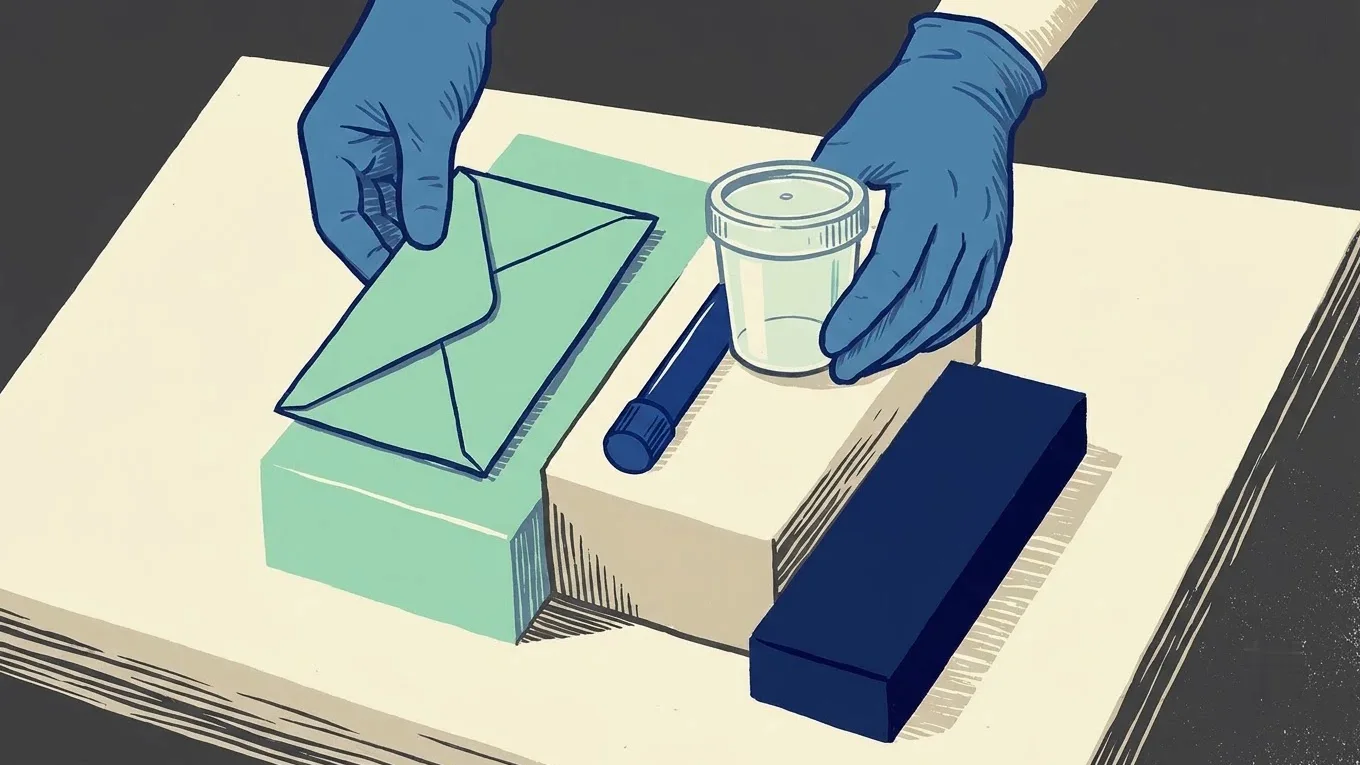
Follow your service’s instructions about preparing a urine sample or using a swab. Phone the clinic or check your booking message if you were told to wait before peeing and have forgotten how long. Tell staff if you tend to faint at blood tests. At home, use the labelled container for the right sample and read the kit’s collection and return instructions before you start. Ask the service what to do if you spill something or can’t collect a sample.
The date of the test can change what it tells you
A test taken soon after exposure may miss an infection that it would detect later. The time between exposure and reliable detection is called the window period. It varies with the infection and the test used. Your service might suggest testing now for one reason and booking another test later. Ask it to give you the date or interval for your specific tests so you can put the right reminder in your calendar.
For example, you take a routine screen on Thursday and have a new sexual contact on Saturday. The Thursday samples can only give information about exposures before they were taken, subject to the window period. If you want advice about Saturday, give the clinic both dates separately. Discuss any symptoms or known exposure promptly while the clinic works out the timing of follow-up tests.
Try it. What would you tell the clinic about a recent exposure?
“I had sex on Saturday, I noticed symptoms on Tuesday and I haven't tested since. Can you tell me what I should do now?” If you've already tested, add the date, the samples you gave and any results they sent.
Before you leave, make a plan for results
Ask the clinic which infections it tested for, how it will contact you, roughly when to expect a result, and what to do if you hear nothing. A result can come by text, phone or through an online account, depending on the service. Check the contact details before you go. If you’d rather avoid a shared number or your lock screen shows previews, ask what other notification options exist. Keep the clinic’s number handy so you can follow up without tracking down the original booking message.

A negative result covers the infections and samples the service actually tested, at the time they were taken. Tell the clinic if symptoms continue, if a sample was missed or if you had another exposure after the test. A reactive screening result can require more testing. Ask what the wording means and what the clinic wants you to do next before interpreting a message on its own.
If you need treatment or a follow-up
A positive result gives the clinic a starting point for treatment or further care. Ask when you should start, whether you need a repeat test, and when you’re advised to have sex again. Instructions vary by infection and can depend on whether partners also need treatment. Write down the dates the clinic gives you while you have someone there to check them.
The clinician may ask about partners who need to be notified. Ask which people and from what dates. If contacting a partner feels unsafe or difficult, say so. Clinics can often contact partners without naming you. If you want a simple way to start the conversation yourself, our guide to talking about STI testing has examples for a new partner and for sharing a positive result.
What to keep from your appointment
Save the date you tested, the list of infections or samples, and the date of any follow-up. Include the name of the service so you can call it again. If you used a kit, keep the reference number or instructions for signing in until you’ve seen the results. If there’s nothing you need to do right away, putting those details in a private note can save you trying to remember what “the blood test” meant next time. At a future appointment, you can say “I was tested in May, and these are the results I received.”
Quick check
You have symptoms and an online kit is available. Where can you check what kind of appointment or test you need?
Ask a sexual health clinic
Tell the clinic about the symptoms and when they started. It can help you decide whether a home kit or an appointment is suitable.
Order the kit and wait for the result before seeking advice
A kit may not cover the symptoms or samples a clinician wants to discuss. Contact the clinic for advice on what to do next.